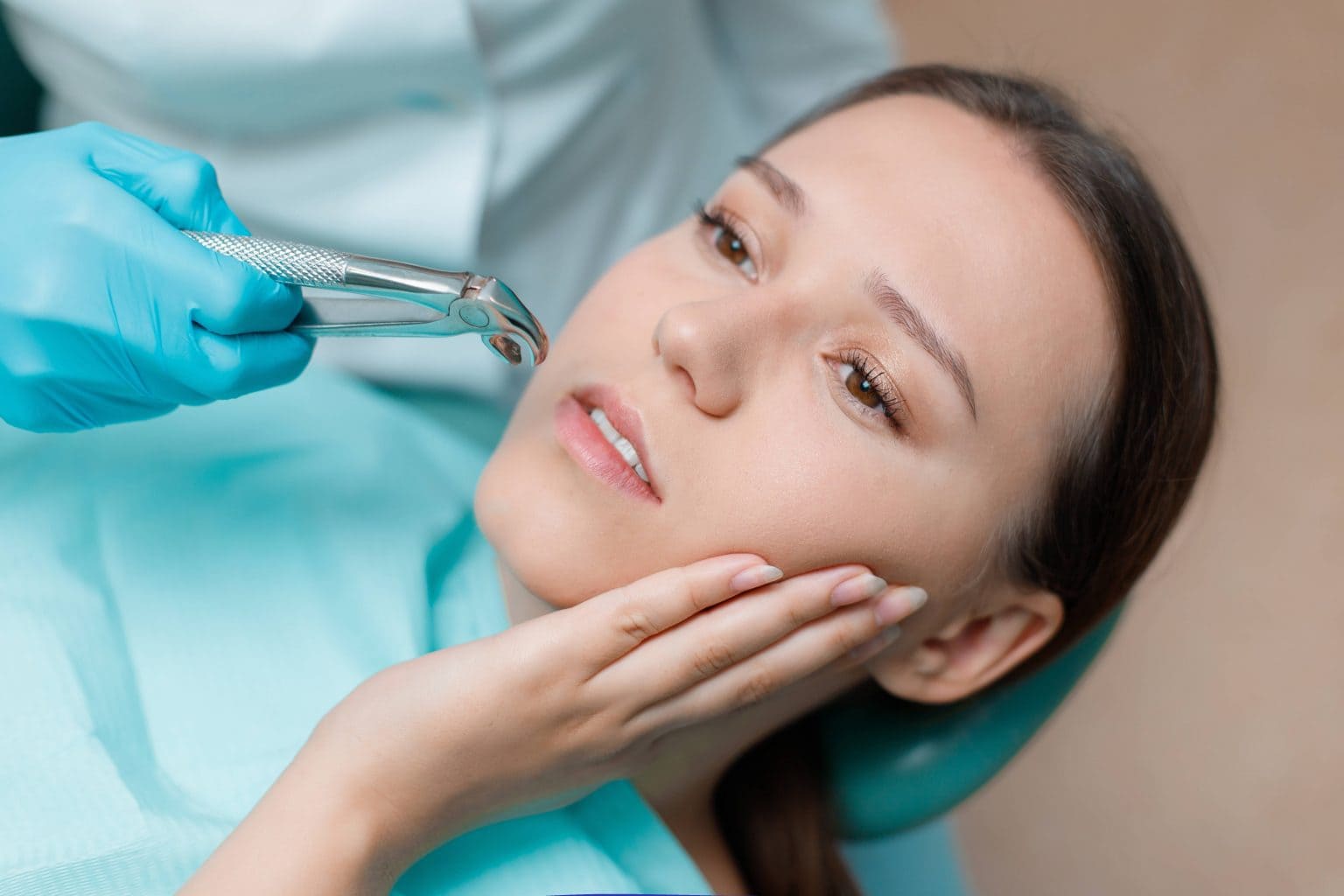
TMJ Treatment and Teeth Grinding in Boulder, CO
Jaw pain, clicking, clenching, or worn teeth can make everyday activities such as chewing and speaking uncomfortable. At Boulder Premier Dentistry, Dr. Kyle Daniel, DDS evaluates TMJ-related symptoms and teeth grinding for patients in Boulder, CO and nearby communities, including Ridglea Hills, Sombrero Ranch, Baseline Sub, Keewaydin, Superior, and Longmont.
The temporomandibular joints, commonly called the TMJs, connect the lower jaw to the skull. Problems involving these joints, nearby muscles, or jaw movement are often referred to as temporomandibular disorders, or TMD. Bruxism is the clenching or grinding of teeth and may occur during sleep or while awake. Although bruxism and TMD can occur together, they are not the same condition.
For patients searching for tmj treatment boulder co, tmj treatment boulder, or help with teeth grinding, our Boulder office provides individualized dental evaluation and conservative treatment recommendations based on your symptoms and clinical findings.
Schedule a TMJ evaluation with Boulder Premier Dentistry to discuss persistent jaw discomfort, clenching, grinding, or changes in jaw movement.
What Is TMJ Dysfunction?
The temporomandibular joints are located just in front of each ear and allow the lower jaw to move when you speak, chew, yawn, and swallow. TMD is a broad term for conditions affecting the joints, jaw muscles, or related structures.
Symptoms may include:
- Jaw pain or tenderness
- Pain when chewing
- Clicking or popping accompanied by discomfort
- Limited jaw opening
- Jaw locking
- Facial muscle soreness
- Ear-area discomfort without another identified cause
- Changes in how the jaw moves
Joint noises alone do not necessarily mean treatment is required. An examination helps determine whether symptoms are associated with a dental issue, jaw-muscle problem, joint condition, or another cause.
What Is Bruxism or Teeth Grinding?
Bruxism involves clenching, grinding, or forcefully pressing the teeth together. Some people grind their teeth during sleep without realizing it, while others clench during the day, particularly during periods of concentration or stress.
Possible signs of bruxism include:
- Flattened or worn tooth surfaces
- Chipped or cracked teeth
- Morning jaw soreness
- Facial muscle fatigue
- Tooth sensitivity
- Headaches, particularly after waking
- Tightness in the jaw muscles
Patients searching for bruxism boulder co, a bruxism solution boulder, or teeth grinding prevention boulder may benefit from a dental evaluation to determine whether grinding is damaging the teeth or contributing to muscle and jaw symptoms.
Treatment does not always eliminate bruxism itself. In many cases, the goal is to protect the teeth, reduce unnecessary strain, identify contributing factors, and monitor symptoms over time.
Common Signs You May Need a TMJ or Bruxism Evaluation
Consider scheduling a dental evaluation if you regularly experience:
- Persistent or recurring jaw pain
- Pain when chewing
- Jaw locking or catching
- Difficulty opening your mouth normally
- Clicking or popping associated with pain
- Significant tooth wear
- Frequent clenching or grinding
- Morning jaw soreness
- Facial muscle tenderness
- Recurrent tooth damage without an obvious explanation
Jaw and facial pain can have many possible causes. A dental examination can help determine whether your symptoms appear related to the teeth, muscles, bite, or temporomandibular joints and whether another healthcare professional should be involved.
What Can Cause TMJ Symptoms or Teeth Grinding?
TMJ symptoms do not always have a single cause. Several factors may contribute to jaw discomfort or dysfunction, including:
- Clenching or grinding
- Overworked jaw muscles
- Joint inflammation
- Arthritis or degenerative joint changes
- Trauma
- Stress-related muscle tension
- Bite-related factors in selected cases
- Sleep-related bruxism
- Habits involving repeated jaw tension or overuse
Because symptoms can overlap with headaches, ear conditions, neurologic disorders, and other medical concerns, treatment should be based on an appropriate evaluation rather than symptoms alone.
How We Evaluate TMJ Problems at Our Boulder Office
At Boulder Premier Dentistry, Dr. Daniel begins by reviewing your symptoms, medical history, dental history, and any patterns you have noticed.
1. Symptom Review
We may discuss:
- Where your discomfort occurs
- How long symptoms have been present
- Whether symptoms are constant or intermittent
- Jaw clicking, popping, or locking
- Clenching or grinding habits
- Morning discomfort
- Headaches or facial muscle tension
- Factors that make symptoms better or worse
2. Jaw, Muscle, and Dental Examination
Your evaluation may include checking:
- Jaw range of motion
- Joint sounds
- Areas of muscle tenderness
- Tooth wear
- Cracks or damaged restorations
- Bite relationships
- How smoothly the jaw opens and closes
3. Imaging When Appropriate
Dental imaging may be recommended when clinical findings suggest that additional information is needed. Not every patient with jaw discomfort requires the same imaging or diagnostic approach.
4. Personalized Treatment Discussion
Treatment recommendations depend on the likely source and severity of your symptoms. Conservative care is often considered first when appropriate, while persistent, severe, or complex conditions may require medical or specialty referral.
Patients can also review our broader general dentistry services for information about preventive and restorative care that may be relevant when grinding has affected the teeth.
TMJ Treatment Options in Boulder, CO
There is no single treatment that is appropriate for every TMD patient. Treatment depends on whether symptoms appear related primarily to muscle tension, tooth grinding, joint inflammation, injury, structural changes, or another condition.
Conservative Self-Care
Depending on your symptoms, conservative recommendations may include:
- Temporarily choosing softer foods
- Avoiding excessive gum chewing
- Reducing unnecessary wide jaw opening
- Using warm or cold compresses when appropriate
- Becoming more aware of daytime clenching
- Practicing relaxed jaw positioning
These measures may be useful for some mild or temporary symptoms, but persistent or worsening pain should be evaluated.
Custom Oral Appliances or Night Guards
A custom dental appliance may be recommended for some patients who clench or grind their teeth.
An oral appliance may help:
- Protect tooth surfaces from additional grinding-related wear
- Reduce direct tooth-to-tooth contact during sleep
- Protect restorations from excessive forces
- Reduce muscle strain for some patients
A night guard does not necessarily stop the underlying grinding behavior, and symptom improvement varies.
Medication or Medical Coordination
Depending on the nature of the symptoms, over-the-counter or prescription medication may sometimes be part of a broader treatment plan. Medication recommendations should account for your health history and other medicines you take.
When appropriate, Dr. Daniel may also recommend coordination with a physician or other healthcare professional.
Physical Therapy and Other Conservative Care
Some patients benefit from physical therapy or other care focused on jaw movement, posture, muscle function, and mobility. Referral may be appropriate depending on examination findings and the duration or severity of symptoms.
Teeth Grinding Prevention and Bruxism Management in Boulder
For many patients, teeth grinding prevention boulder searches are really about preventing further tooth damage caused by bruxism.
Depending on your needs, management may involve:
- A custom night guard
- Monitoring tooth wear
- Repairing teeth that have been damaged
- Identifying daytime clenching habits
- Reviewing bite and jaw-muscle symptoms
- Discussing stress-related or behavioral factors
- Coordinating care when sleep-related or medical factors are suspected
Because sleep bruxism can be influenced by factors outside dentistry, some patients may benefit from further medical or sleep-related evaluation.
Can Botox Be Used for TMJ Symptoms or Teeth Grinding?
Boulder Premier Dentistry offers Botox-related services, and Botox may be considered in selected situations depending on the patient’s symptoms, diagnosis, medical history, and treatment goals.
Botox is not appropriate for every patient with jaw pain or bruxism and should not automatically replace conservative treatment. An evaluation is necessary to determine whether it may have a role in an individualized treatment plan.
Learn more about available Botox treatment.
When Is Referral to a TMJ Specialist Appropriate?
Some TMJ and facial pain conditions extend beyond routine dental management.
Referral may be appropriate when a patient has:
- Persistent symptoms despite conservative care
- Significant or recurring jaw locking
- Severe restriction in jaw movement
- Suspected structural joint disease
- Significant trauma
- Neurologic symptoms
- Complex or unexplained facial pain
- Symptoms suggesting a medical rather than dental condition
People searching for a tmj specialist boulder or tmj specialist boulder co may be looking for evaluation of a more complex problem. Dr. Kyle Daniel provides dental evaluation and TMJ-related care within the scope of general dentistry and can recommend referral when specialty or multidisciplinary care appears appropriate.
Who Is a Good Candidate for Dental TMJ or Bruxism Care?
A dental evaluation may be appropriate if you have:
- Jaw discomfort associated with clenching or grinding
- Tooth wear caused by bruxism
- Morning muscle soreness
- Mild to moderate jaw-muscle tenderness
- Pain with chewing
- A history of cracked or worn teeth
- Symptoms that may benefit from an oral appliance
- Questions about whether your symptoms are dental in origin
Not every patient with facial pain has TMD, and not every person who grinds their teeth needs the same treatment.
Who May Need Medical or Specialty Evaluation Instead?
Additional evaluation may be warranted for patients with:
- Facial swelling or fever
- Severe trauma
- Progressive numbness or weakness
- Persistent unexplained ear symptoms
- Severe or recurrent jaw locking
- Suspected inflammatory joint disease
- Neurologic symptoms
- Significant pain that does not match the dental findings
These situations may require coordination with a physician, physical therapist, oral and maxillofacial specialist, or another appropriate healthcare provider.
How Long Does TMJ Treatment Take?
There is no standard timeline for TMJ treatment because symptoms and causes vary widely.
Temporary muscle-related symptoms may improve with conservative measures, while chronic TMD or persistent bruxism may require longer-term management and monitoring.
Factors that influence treatment time include:
- Duration of symptoms
- Cause of the problem
- Severity of pain or movement limitations
- Presence of bruxism
- Appliance use
- Existing tooth damage
- Response to conservative care
- Need for physical therapy or referral
Dr. Daniel can discuss when your symptoms should be reassessed based on the treatment approach recommended.
Risks and Limitations of TMJ and Bruxism Treatment
TMJ and bruxism management should be approached with realistic expectations.
Important limitations include:
- Oral appliances may need adjustment over time
- A night guard may protect teeth without stopping grinding
- Symptoms may have multiple contributing causes
- Conservative treatment may not resolve every case
- Jaw pain can recur
- Complex joint disorders may require additional providers
- Existing tooth damage may require separate restorative treatment
Treatment recommendations should be adjusted if symptoms change or fail to improve as expected.
TMJ Treatment for Boulder and Nearby Communities
Boulder Premier Dentistry provides TMJ and bruxism evaluations from our Boulder, CO office for patients throughout the surrounding area.
We welcome patients from:
- Ridglea Hills
- Sombrero Ranch
- Baseline Sub
- Keewaydin
- Superior
- Longmont
- Other nearby Boulder-area communities
Our office is located in Boulder. Patients researching tmj treatment longmont may choose to travel to our Boulder office for dental evaluation, particularly when their symptoms involve teeth grinding, worn teeth, jaw-muscle discomfort, or other dental concerns.
Choosing a Boulder TMJ Dentist
Patients searching for a boulder tmj dentist or tmj dentist boulder may benefit from starting with a dental evaluation when symptoms involve the teeth, bite, clenching, grinding, or jaw muscles.
Dr. Kyle Daniel, DDS evaluates TMJ-related dental concerns with an emphasis on identifying potential contributing factors, discussing conservative options, and recommending referral when a condition requires care outside the scope of general dentistry.
Learn more about his education and practice approach on the Meet Dr. Kyle Daniel, DDS page.
Comfortable TMJ Care for Patients With Dental Anxiety
Jaw pain can make dental visits more difficult, particularly for patients who already feel nervous about dental care or who have trouble keeping their mouth open comfortably.
Our team works to communicate clearly, pace care appropriately, and consider individual comfort needs during evaluation and treatment. Patients who are concerned about visiting the dentist can learn more about our approach to relieving dental anxiety.
Schedule a TMJ or Teeth Grinding Evaluation in Boulder, CO
If you are experiencing jaw pain, clenching, grinding, tooth wear, clicking with discomfort, or changes in jaw movement, an evaluation can help determine whether dental treatment, monitoring, or referral may be appropriate.
Boulder Premier Dentistry provides tmj treatment boulder co evaluations and bruxism care for patients in Boulder and nearby communities, including Ridglea Hills, Sombrero Ranch, Baseline Sub, Keewaydin, Superior, and Longmont.
Contact Boulder Premier Dentistry to schedule an appointment with Dr. Kyle Daniel, DDS.
TMJ and Teeth Grinding FAQs
What are common signs of TMJ dysfunction?
Possible signs include jaw pain, tenderness, painful clicking or popping, difficulty chewing, restricted movement, or jaw locking. Some patients also experience facial muscle soreness or discomfort near the ears. These symptoms can have several causes, so an examination is useful for determining whether a dental, muscular, joint, or medical condition may be involved.
Can a dentist help with teeth grinding?
Yes. A dentist can evaluate tooth wear, cracked teeth, jaw-muscle tenderness, and other signs associated with bruxism. Depending on the findings, treatment may include a custom night guard, monitoring, restorative care, or behavioral recommendations for daytime clenching. Some patients may also benefit from medical, sleep-related, or specialty evaluation.
How long does TMJ treatment take?
Treatment time varies depending on the cause, severity, and duration of symptoms. Some mild muscle-related problems may improve with conservative care, while chronic TMD can require longer-term management. Oral appliance use, physical therapy, tooth damage, bruxism, and the need for additional medical or specialty care can all influence the timeline.
Can a night guard stop teeth grinding?
A night guard does not necessarily stop bruxism. Its primary role is often to reduce direct tooth-to-tooth contact and help protect teeth and restorations from grinding-related forces. Some patients also experience reduced muscle strain, but results vary. The appliance may need periodic adjustment as your bite, symptoms, or dental condition changes.
When should I see a TMJ specialist?
Specialty evaluation may be appropriate for severe or persistent symptoms, significant jaw locking, restricted opening, trauma, suspected structural joint disease, neurologic symptoms, or pain that continues despite conservative treatment. A general dental evaluation can help determine whether your symptoms appear dental in origin and whether referral to another healthcare provider is appropriate.